ACSR and overhead conductor by strand construction, steel core, designation, reel, length, and release record
RELEASE RECORDS, CONSTRUCTION & YARD ACCESS
UTILITY & CO-OP CABLE BUYER GUIDE
Prepare documented utility or cooperative cable inventory by asset or project source, conductor construction, voltage, manufacturer or part number, reel tags, footage, condition, storage, release authority, and yard access.
SELL SURPLUS WIRE
SHOW US THE MATERIAL
Send construction, identifiers, footage, condition, storage, release authority, site access, and current photographs. Qualifying lots may receive above-scrap offers. On approved purchases we arrange agreed freight and upfront payment before release; loading, removal, and pickup require written lot terms.
CALL OR TEXT A WIRE BUYER954-740-1983
UTILITY INVENTORY REQUIRES RELEASE AND ASSET TRACEABILITY
DOCUMENT WHO CONTROLS THE MATERIAL AND WHAT EACH REEL CONTAINS
Utility and cooperative surplus can include ACSR and overhead conductor, URD and distribution cable, medium-voltage power cable, service conductor, control and instrumentation cable, station or plant cable, and specialty armored constructions. Organize inventory by asset, project, stock number, conductor or cable family, and release authorization rather than describing it as broad surplus.
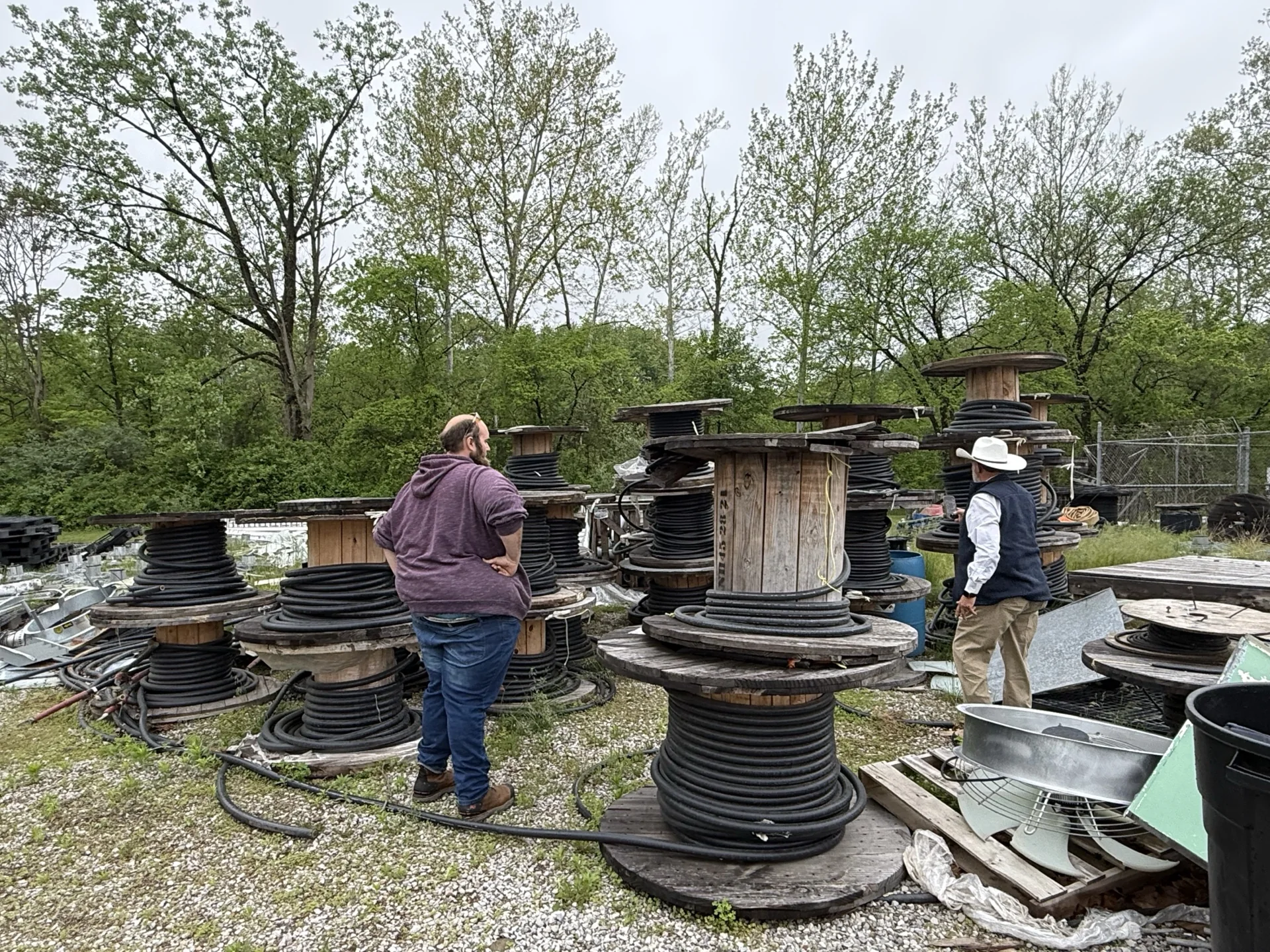
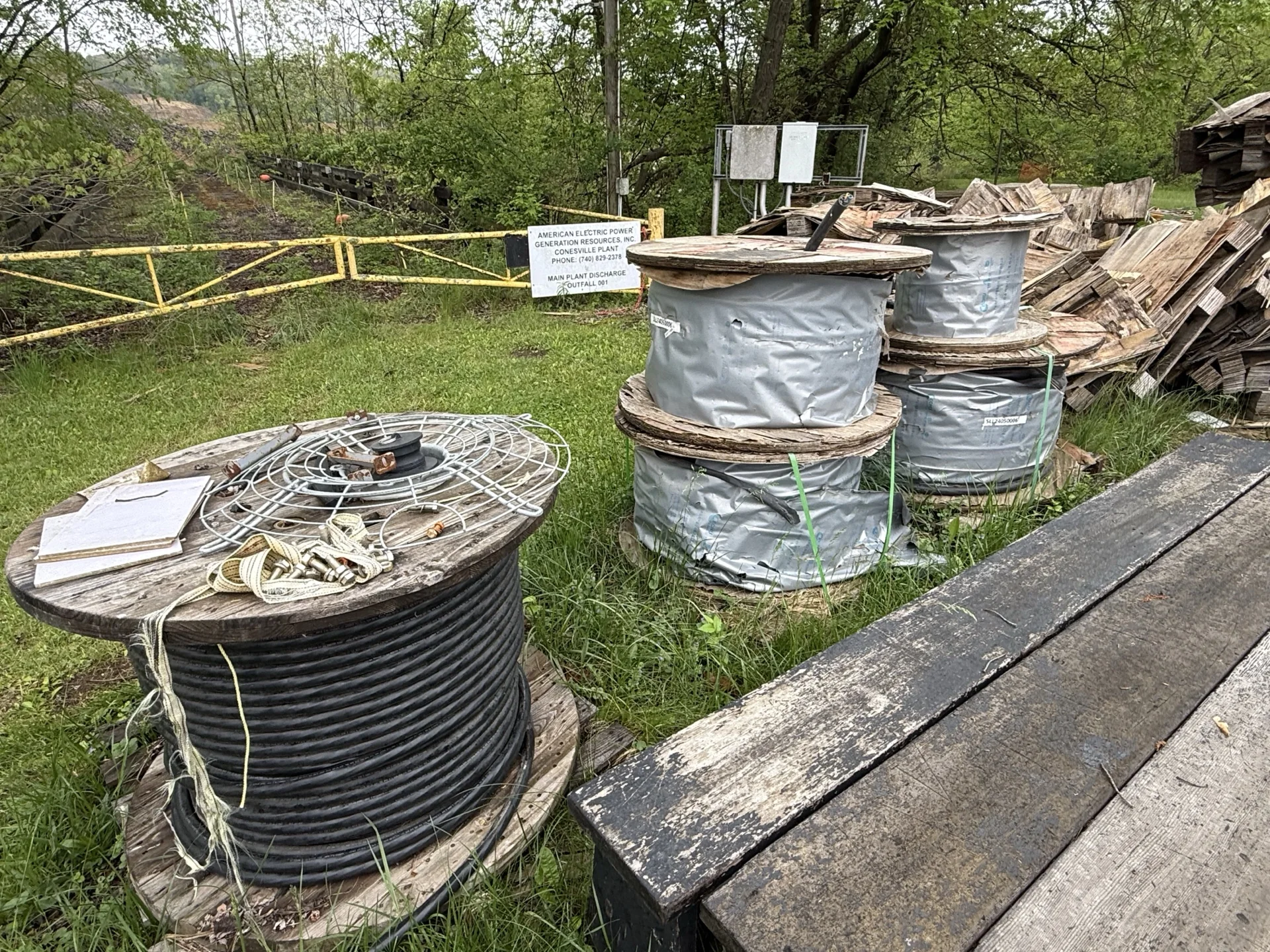
For each reel or cable group, provide voltage class where applicable, conductor material and size, strand or conductor arrangement, insulation and jacket, shield, neutral or armor, manufacturer, part number, reel tag, footage, unused or removed status, condition, storage, and records. Show the yard, reel placement, access surface, overhead constraints, equipment, site rules, and safe loading approach.
COMMERCIAL SELLER FIT
UTILITY INVENTORY GROUPS TO DOCUMENT
URD and distribution cable by conductor, size, insulation, neutral or multiplex construction, voltage, and reel identity
Medium-voltage, station, plant, control, instrumentation, and armored cable separated by exact construction
Unused warehouse stock and documented removed material kept separate by source, condition, storage, and authority
DIRECT PURCHASE QUALIFICATION
AUTHORIZED RELEASE AND CABLE IDENTITY COME BEFORE LOGISTICS
A utility, cooperative, municipality, contractor, or authorized asset manager should identify the owner, release authority, asset or project source, and person who can approve disposition. Matching stock numbers, purchase records, reel tags, legends, footage, condition evidence, and yard access facts help the buyer evaluate an industrial-scale opportunity.
Broad claims of utility origin, missing release authority, mixed unidentified conductor, energized or installed material, unsafe yard access, environmental concerns, severe reel damage, unprotected ends, or unsupported footage can prevent a direct purchase. The guide does not promise coverage, pickup, freight, loading, price, credentials, or availability, and it does not authorize removal from service.
PHOTOS, RECORDS & ACCESS
UTILITY RELEASE & CABLE EVIDENCE CHECKLIST
A useful submission connects each statement to current photographs, readable markings, seller-controlled records, or specific site facts. Keep unlike cable families and conditions separate.
Do not alter, strip, cut, move, or combine usable inventory solely to simplify a quote request. Preserve the evidence until a buyer explains what additional detail is needed.
DECISION & PICKUP PREPARATION
SEPARATE DISPOSITION AUTHORITY FROM TRANSPORT RESPONSIBILITY
Confirm that the organization controls the material and can release it before arranging movement. Identify energized, installed, environmentally sensitive, or restricted assets separately; those conditions require qualified parties and are not resolved by a cable-purchase request.
Payment, freight, loading, removal, and pickup are not guaranteed or automatically covered. If a documented lot is approved, written terms must identify the accepted inventory, price, payment timing, transport scope, equipment, access window, and each party's responsibilities.
A request starts a review. It does not guarantee a purchase, price, removal service, freight treatment, payment method, or pickup time. Any approved transaction depends on written terms for the actual material and location.
SELLER QUESTIONS
QUESTIONS ABOUT UTILITY & CO-OP CABLE BUYER GUIDE
These answers define the page's buyer-review role without creating a price, purchase, pickup, local-presence, or performance promise.
What proves a utility or cooperative can release surplus cable?
Provide the owning entity, authorized contact, asset or project reference, applicable release or disposition record, and any internal stock, purchase, removal, or approval information connected to the material.
Which utility cable families should be listed separately?
Separate ACSR and overhead conductor, URD and distribution cable, medium-voltage cable, service conductor, control and instrumentation cable, station or plant cable, and armored constructions by exact specification.
Does a utility inventory submission include removal, loading, freight, or pickup?
No. A submission begins review only. Installed or energized status, removal, loading, freight, equipment, pickup, payment, and timing require separate written responsibilities for an approved lot.