Medium-voltage feeder and distribution cable with voltage, shield, insulation, reel, footage, and project records
DIRECT BUYERS OF SPECIALTY CABLE INVENTORY
HEAVY INDUSTRIAL & UTILITY CABLE BUYERS
BUYING DOCUMENTED HEAVY CABLE ACROSS AMERICA
Industrial Wire Buyers reviews documented medium-voltage, tray, VFD, motor, control, instrumentation, armored, ACSR, and other utility-scale cable from authorized organizations.
01
ABOVE-SCRAP OFFERS FOR QUALIFYING LOTSWe review documented industrial wire and cable for offers above scrap value when the material and project qualify.
02
FREIGHT & LOGISTICS HANDLEDOn approved purchases, we arrange and cover agreed freight and transportation. We confirm site access, loading, and pickup details before scheduling.
03
UPFRONT PAYMENT ON APPROVED PURCHASESOnce we agree on a lot and its terms, payment is arranged upfront before material is released.
READY TO DOCUMENT A LOT?
START WITH THE INDUSTRIAL CABLE YOU CONTROL
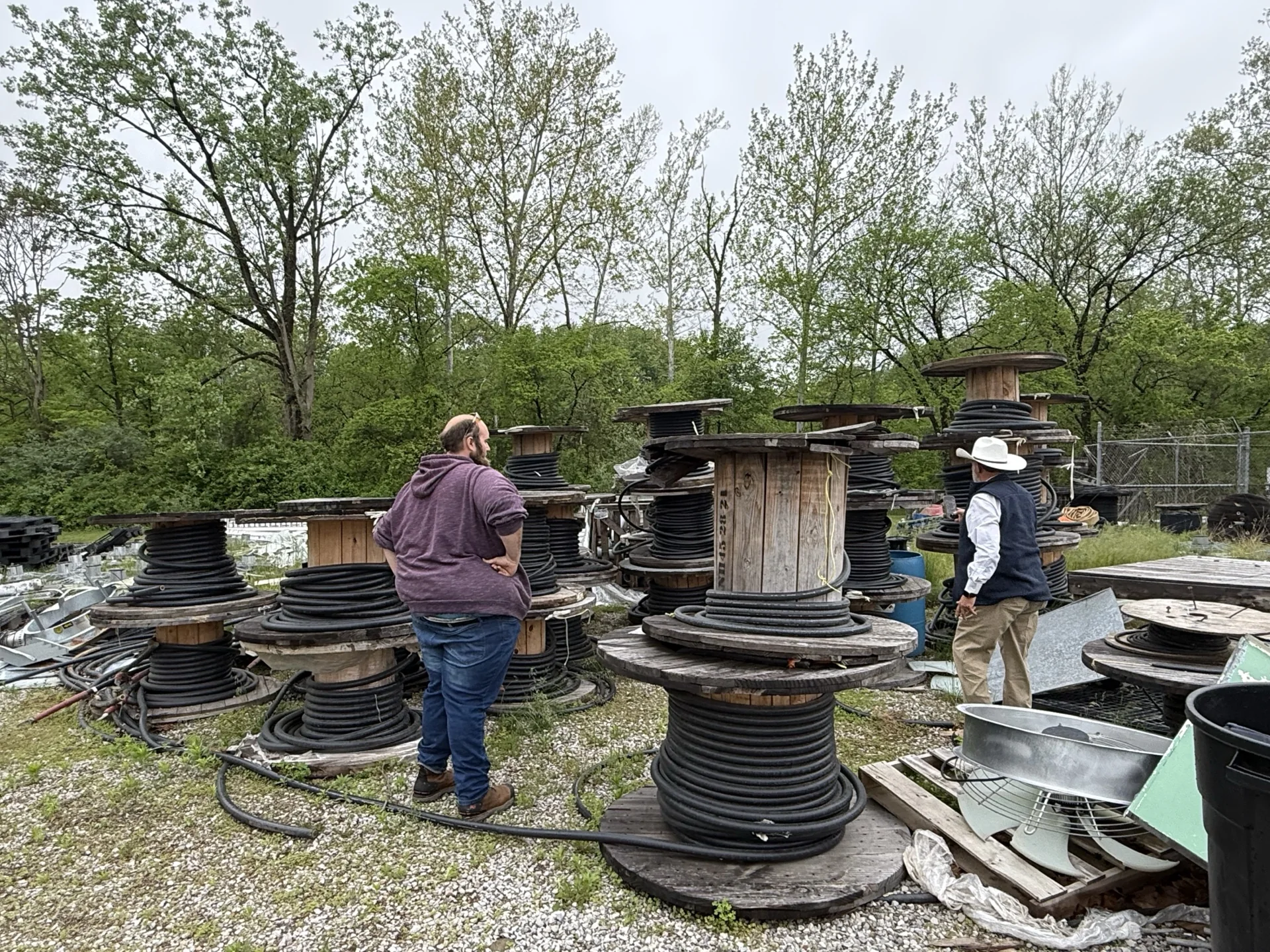
Send current photographs, construction details, reel or part identifiers, footage, condition, storage, release authority, and safe access facts. Qualifying lots may earn above-scrap offers. On approved purchases we arrange agreed freight and pay upfront before release; loading, removal, and timing depend on written lot terms.
CALL OR TEXT A WIRE BUYER954-740-1983
INDUSTRIAL & UTILITY CABLE BUYING DESK
SPECIALTY CONSTRUCTION AND TRACEABLE INVENTORY COME FIRST
Industrial Wire Buyers focuses on heavy industrial, utility, and specialty cable held by utilities, cooperatives, plants, infrastructure contractors, engineering and construction teams, data centers, industrial facilities, distributors, and authorized decommissioning organizations. Priority inventory includes medium-voltage power cable, tray and VFD cable, motor leads, control and instrumentation cable, industrial armored cable, ACSR, overhead conductor, and documented utility distribution material.
A useful submission connects each reel or cable group to voltage class, conductor metal and size, insulation and jacket system, shielding or armor, manufacturer and part number, reel tag, footage, condition, storage history, ownership or release authority, and safe site access. These facts establish whether an industrial-scale lot can move beyond an initial review; they do not guarantee a purchase, price, freight arrangement, or pickup.
COMMERCIAL SELLER FIT
PRIORITY INDUSTRIAL & UTILITY INVENTORY
Tray, VFD, motor, control, and instrumentation cable separated by construction, ratings, application, and condition
Industrial MC, armored, and specialty cable identified by armor, jacket, conductors, grounding, manufacturer, and part number
ACSR, overhead conductor, URD, and utility/co-op inventory supported by ownership or release records and safe yard access
DIRECT PURCHASE QUALIFICATION
INDUSTRIAL SCALE, TRACEABILITY & SAFE ACCESS DEFINE FIT
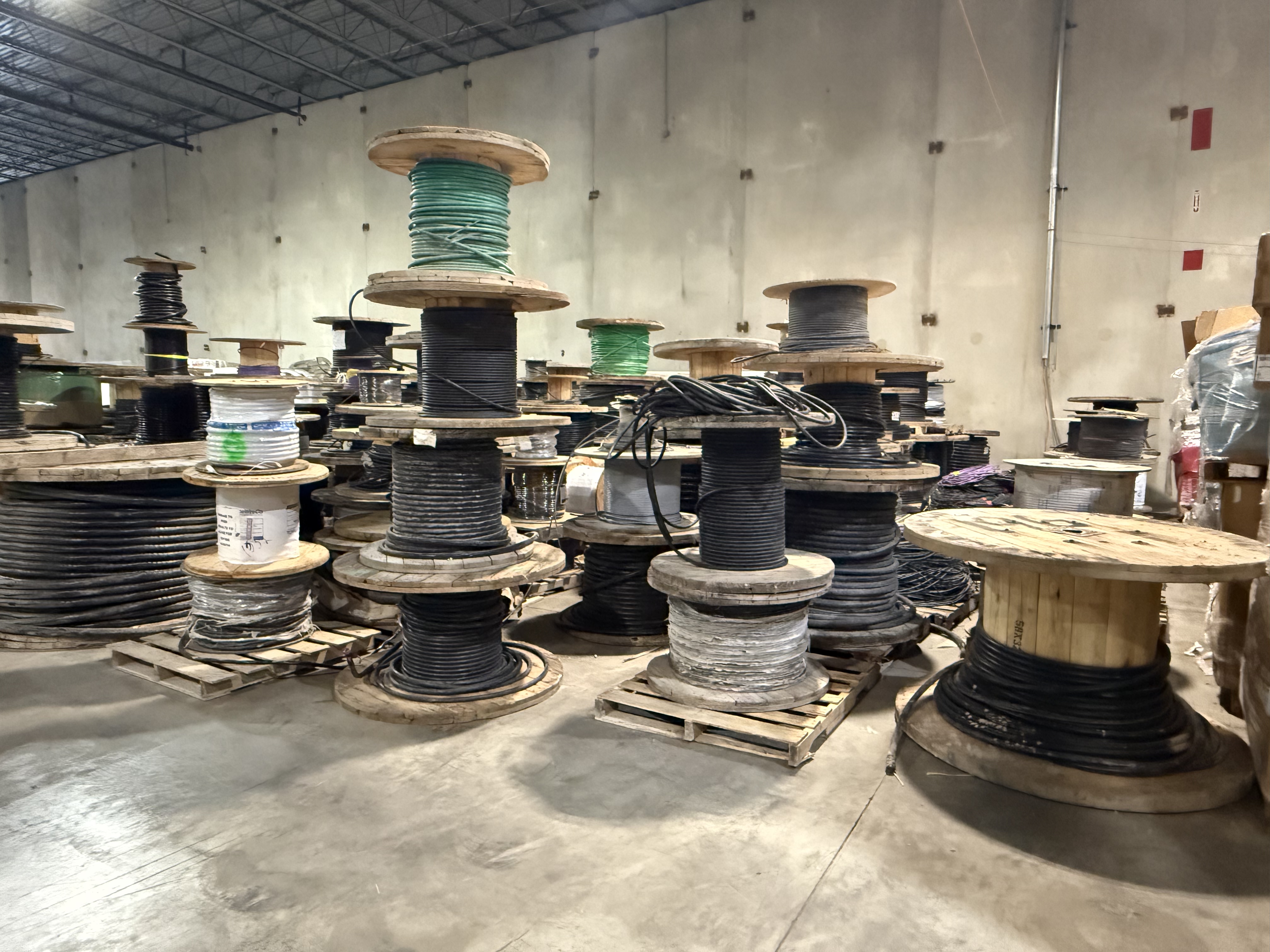
A direct review is most useful when cable is identifiable, grouped by construction, held in meaningful industrial or utility quantity, supported by seller authority, and staged where reels or long lengths can be inspected and moved safely. Wide inventory photographs, readable tags and legends, protected cable ends, footage evidence, storage records, and site-access facts help the buying desk assess the actual lot.
Household wire, Romex, ordinary branch-circuit leftovers, isolated THHN coils, short mixed cuts, stripped material, unidentified cable, disputed inventory, unsafe access, or unsupported descriptions are not the primary focus. Building wire or partial reels may be considered only when they are a documented subordinate part of a larger industrial-scale package. A scrap or recovery outlet may be more appropriate when construction and reuse cannot be evaluated.
PHOTOS, RECORDS & ACCESS
HEAVY CABLE EVIDENCE CHECKLIST
A useful submission connects each statement to current photographs, readable markings, seller-controlled records, or specific site facts. Keep unlike cable families and conditions separate.
Do not alter, strip, cut, move, or combine usable inventory solely to simplify a quote request. Preserve the evidence until a buyer explains what additional detail is needed.
DECISION & PICKUP PREPARATION
DOCUMENT THE CABLE BEFORE DISCUSSING MOVEMENT
Keep specialty constructions separate and connect photographs, tags, records, and footage to the correct reel or cable group. Do not cut continuous lengths, discard tags, remove armor or jackets, or combine unlike utility and plant cable merely to create one weight. Those actions can erase the evidence needed for an industrial review.
Payment timing, freight, loading, removal, site work, and pickup are lot-specific responsibilities. They apply only when an approved transaction documents the accepted inventory, price, method, access conditions, and each party's obligations in writing. No submission creates a purchase, above-scrap value, schedule, or transportation commitment.
A request starts a review. It does not guarantee a purchase, price, removal service, freight treatment, payment method, or pickup time. Any approved transaction depends on written terms for the actual material and location.
SELLER QUESTIONS
QUESTIONS ABOUT HEAVY INDUSTRIAL & UTILITY CABLE BUYERS
These answers define the page's buyer-review role without creating a price, purchase, pickup, local-presence, or performance promise.
Which cable families are the primary focus for Industrial Wire Buyers?
The primary focus is documented medium-voltage, tray, VFD, motor, control, instrumentation, industrial armored, ACSR, overhead, URD, and related heavy utility or plant cable in industrial-scale lots.
What evidence should be sent for a heavy industrial cable lot?
Send voltage class, conductor size and metal, insulation and jacket, shielding or armor, manufacturer or part number, reel tags, footage, condition, storage, ownership or release records, and photographs showing safe access and handling conditions.
Are THHN, Romex, partial reels, or contractor leftovers the main buying focus?
No. Generic building wire, Romex, isolated THHN, and small leftovers are not the primary focus. They may be reviewed only as a documented subordinate part of a larger heavy industrial, utility, or specialty cable package.
PRIORITY MATERIALS
HEAVY & SPECIALTY CABLE WE REVIEW
Medium-Voltage Power Cable
Document medium-voltage power cable by voltage class, conductor, insulation level, shielding or neutral construction, manufacturer or part number, reel footage, condition, storage, records, and access.
Control & Instrumentation Cable
Document industrial control and instrumentation cable by conductor or pair count, size, shield, armor, ratings, manufacturer or part number, reel footage, application, condition, storage, and access.
Tray, VFD & Motor Cable
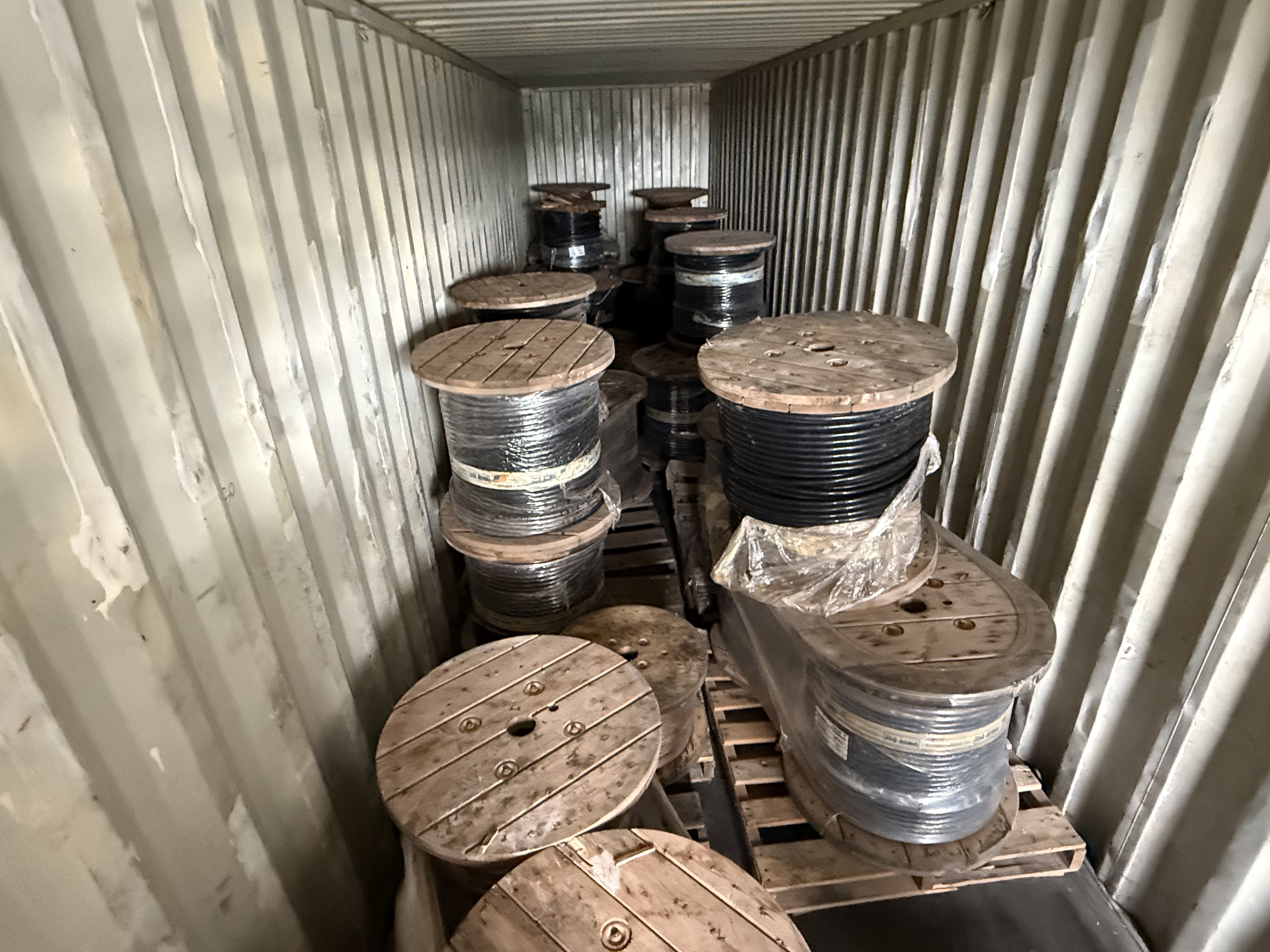
Separate tray-rated, VFD, and motor cable by conductor and ground arrangement, shielding, armor, ratings, manufacturer or part number, footage, service history, condition, and plant access.
MC & Armored Cable
Document industrial MC and armored specialty cable by armor type, conductor and grounding arrangement, voltage, jacket, environmental ratings, manufacturer or part number, footage, condition, storage, and access.
Aluminum ACSR & Overhead Conductor
Document strand construction, steel core, conductor designation, reel information, length, condition, project origin, and utility release evidence for review.
URD Underground Distribution Cable
Document URD conductor metal, size, insulation and jacket legend, single or multiplex configuration, reel footage, storage, and utility-project origin.
Fiber & Communications Cable
Document fiber type, strand or pair count, jacket legend, ratings, reel footage, termination status, storage, and project history before requesting a commercial buyer review.
Bare Copper & Bus Bar
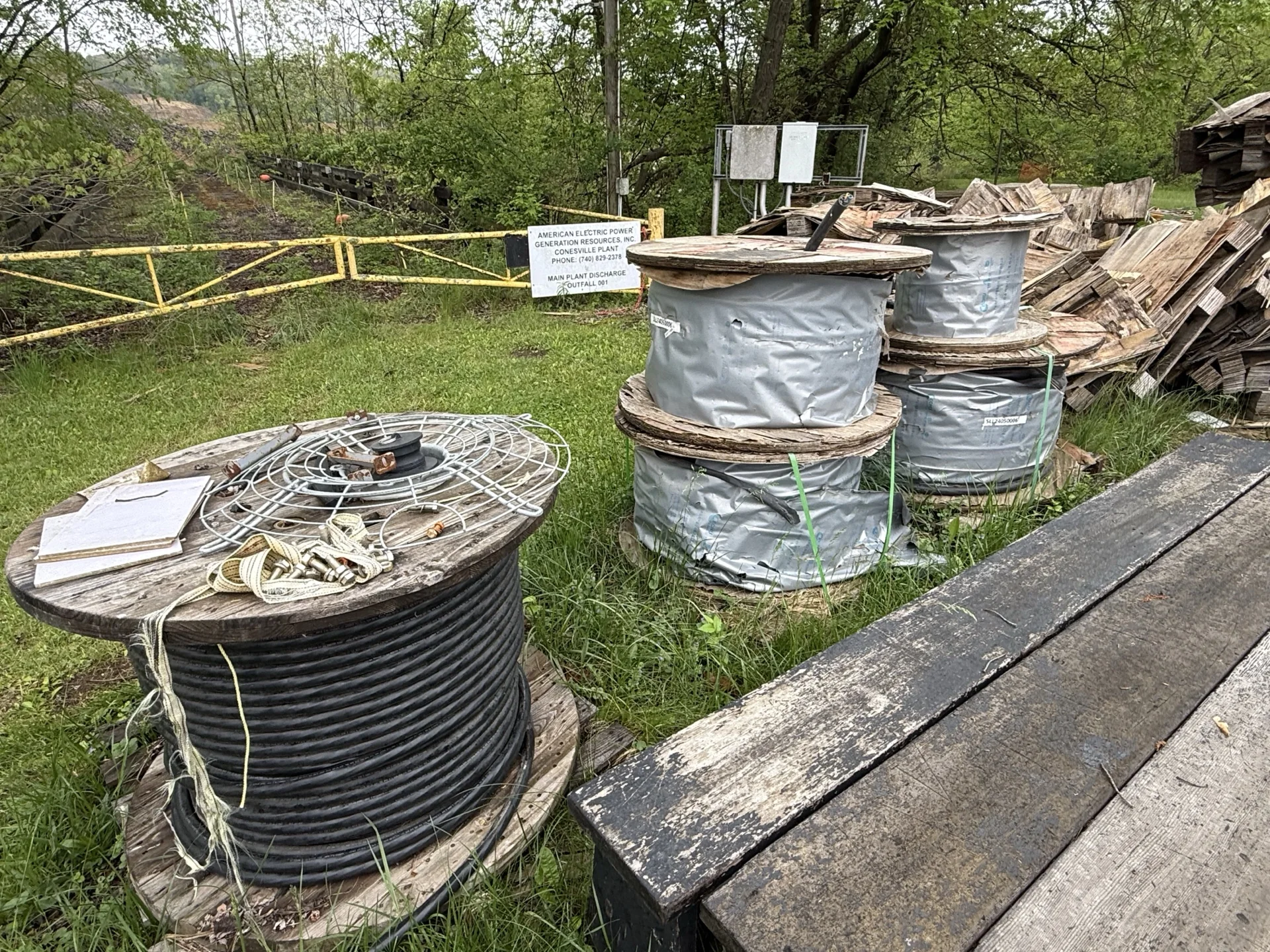
Industrial Wire Buyers reviews bare copper conductor, grounding copper, and copper bus bar from commercial and industrial sellers nationwide.
A DIRECT REVIEW FOR INDUSTRIAL-SCALE CABLE INVENTORY
Industrial Wire Buyers reviews heavy power, plant, process, armored, and utility cable from organizations that can document the material and authorize its release. Priority lots are grouped by exact construction and supported by readable legends, reel or part identifiers, footage, condition, storage, and access facts.
Generic building wire, Romex, isolated THHN, contractor leftovers, and small partial reels are not the primary focus. Include them only when they are a subordinate, documented component of a larger industrial-scale cable package.
SPECIFICATION BEFORE RECOVERY
TRACEABLE CABLE DESERVES A CONSTRUCTION-SPECIFIC REVIEW
A scrap path considers recoverable material. An industrial cable review also considers voltage class, conductor, insulation, shielding or armor, identifiers, footage, condition, records, demand, and movement requirements.
We make above-scrap offers for qualifying documented lots. No submitted lot automatically qualifies, and loading, removal, or pickup timing is not included without written approval. Preserve cable identity until the actual inventory has been reviewed.
HOW THE REVIEW WORKSA SIMPLE SELLING PROCESS
HOW IT WORKS
SEND PHOTOS & DETAILS
Show the complete lot, reel labels, printed specifications, conductor ends, quantity, condition, and pickup location.
RECEIVE A DIRECT REVIEW
We consider material usability, market demand, lot size, site access, loading requirements, and freight before discussing an offer.
CONFIRM THE TERMS
For an approved purchase, we arrange upfront payment before material release and cover agreed freight and transportation. Loading and pickup details are confirmed in writing before scheduling.
BUILT FOR INDUSTRIAL & UTILITY SELLERS
ONE SPECIALTY-CABLE BUYING DESK.
NATIONWIDE REVIEW.
We work with utilities, cooperatives, plants, infrastructure contractors, engineering and construction teams, data centers, industrial facilities, distributors, and authorized decommissioning organizations managing heavy and specialty cable.
Start with the exact construction and release authority. State whether cable is unused, de-energized and removed, or staged; where it is stored; how reels can be approached; and which qualified party controls any site work. The buying desk can then determine whether the documented lot warrants further review.
Photograph the complete inventory and every readable reel tag, part number, and jacket legend before cutting or moving material. Separate cable by voltage, conductor, insulation, shield or armor, application, footage, condition, and storage. Those facts make any later payment, freight, loading, removal, and pickup discussion specific to the lot.
- Heavy power and medium-voltage reels
- Plant, process, drive, and motor cable
- Industrial armored and specialty constructions
- Documented utility and cooperative conductor
ALL 50 STATES
NATIONWIDE INDUSTRIAL CABLE REVIEW
Authorized organizations can use the state directory to organize site location, industrial or utility inventory source, release authority, safe access, staging, and handling facts before requesting review.