SURPLUS WIRE SELLER GUIDE
COPPER WIRE BUYERS ABOVE SCRAP
A practical guide to why identifiable reusable copper wire may have value beyond metal recovery.
SELL SURPLUS WIRE
SHOW US THE MATERIAL
Send photos, specifications, quantity, condition, pickup location, access, and timing. Approved purchases include payment terms confirmed before pickup and agreed freight responsibilities paid by the buyer.
DIRECT INDUSTRIAL WIRE REVIEW
START WITH THE ACTUAL INVENTORY
This guide addresses why identifiable reusable copper wire may have value beyond metal recovery. It is written for a seller who needs practical information before asking a buyer to evaluate a commercial lot.
This page focuses on why identifiable reusable copper wire may have value beyond metal recovery and connects the subject to material identification, seller preparation, freight planning, payment terms, and the nationwide service directory.
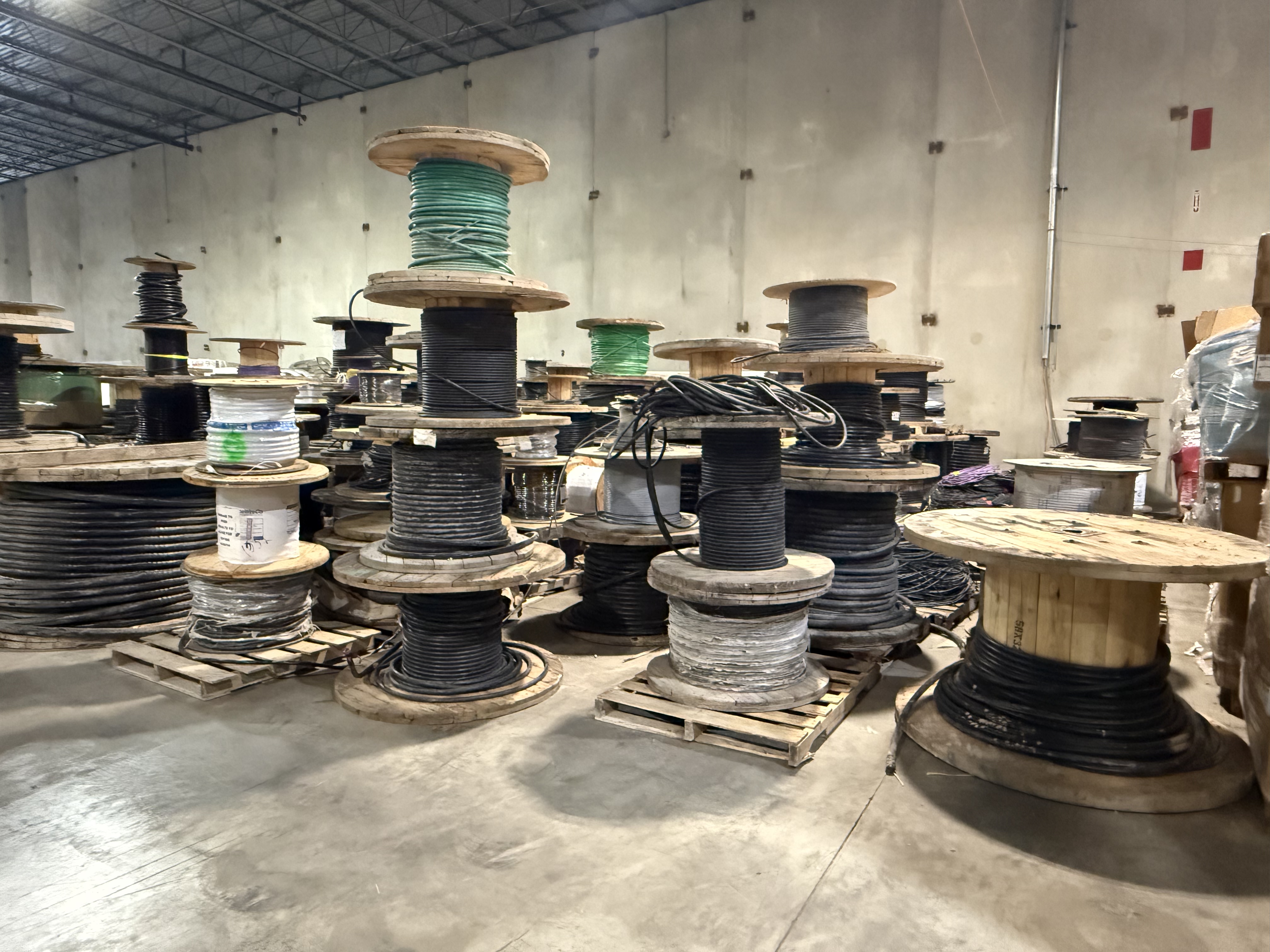
Sellers in the United States should begin with current photos. Show the complete lot before photographing individual labels. Add close views of jacket printing, reel tags, manufacturer markings, conductor ends, damaged areas, weather exposure, packaging, and any notes that identify footage or specification. If the exact cable type is unknown, readable printing and conductor photographs are usually the most useful first evidence.
WHAT A BUYER NEEDS TO KNOW
IDENTIFICATION CHANGES THE REVIEW
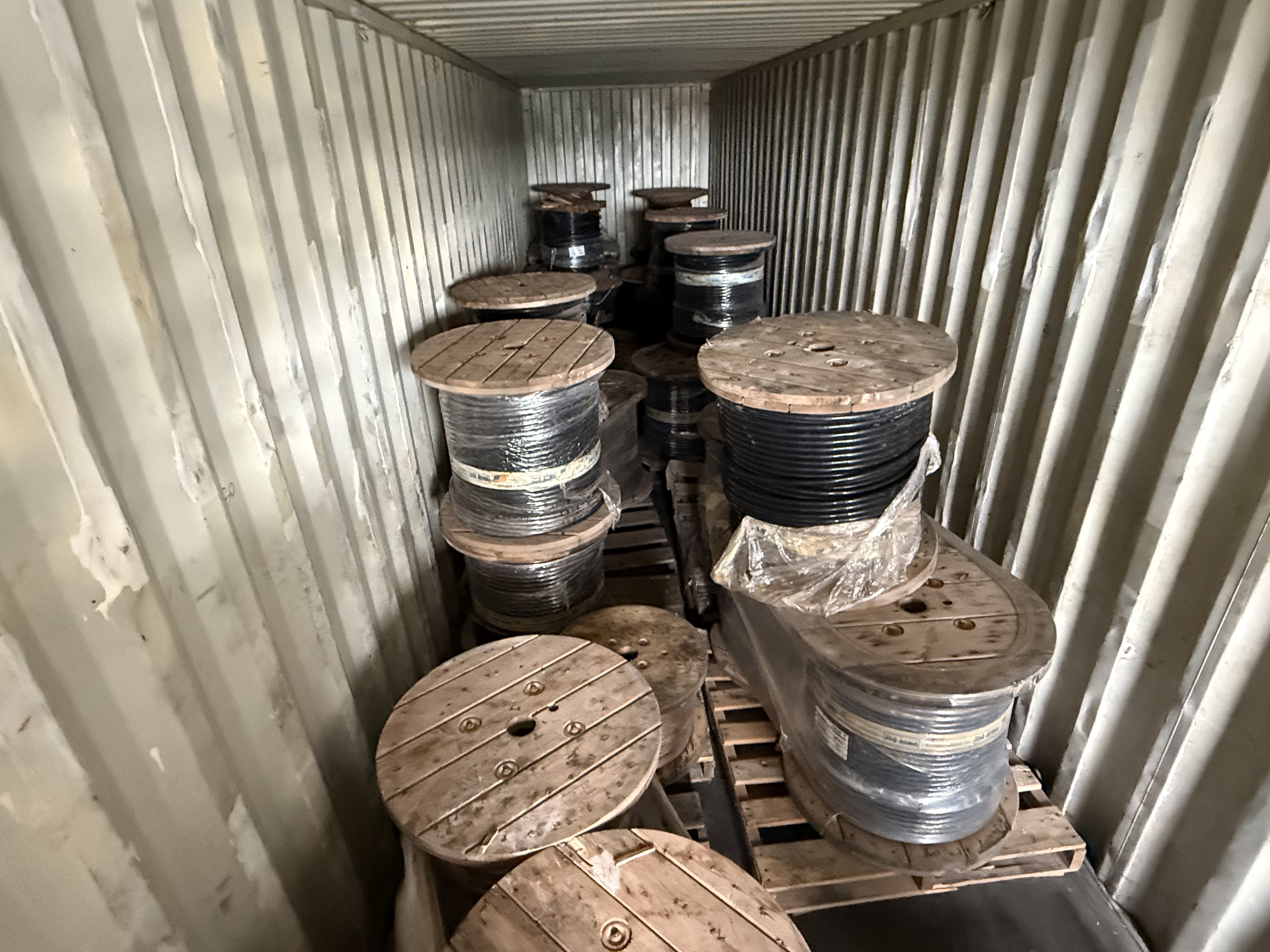
A useful submission for Copper Wire Buyers Above Scrap explains conductor metal, wire or cable family, gauge or MCM size, insulation or jacket type, voltage rating when known, approximate footage, reel count, and condition. Include whether the reels are factory sealed, opened, partially used, stored indoors, stored outside, or removed from service.
For mixed inventory, make a simple list instead of combining everything into one estimated weight. Separate copper from aluminum, new material from removed material, full reels from partial reels, and labeled cable from unidentified pieces. A buyer can then consider resale potential, project demand, and recovery value without assuming every item belongs in the same category.
Lots involving MC cable, armored cable, portable cord, welding cable, and commercial branch-circuit inventory benefit from readable specifications. Other projects may include THHN building wire, XHHW feeder cable, and large copper or aluminum MCM conductors. The mix should be described honestly; additional electrical equipment can be mentioned, but this site remains focused on industrial wire and cable.
Usable inventory may be worth more than ordinary scrap because a direct review can consider specification, length, packaging, and demand in addition to metal content. That outcome is conditional. No price or purchase is promised until the material and transaction requirements have been evaluated.
WHO SELLS THIS MATERIAL
COMMERCIAL LOTS, PROJECT SURPLUS & REMOVED CABLE
Common sellers include distributors and warehouses reducing dormant reel inventory and plants and manufacturers releasing maintenance stock or shutdown inventory. Inventory can come from completed work, canceled orders, redesigns, warehouse consolidation, maintenance programs, utility upgrades, shutdowns, decommissioning, and demolition. The origin matters because it can help explain whether cable is unused, removed, weathered, documented, or mixed.
Commercial quantities can mean several valuable partial reels, a grouped warehouse inventory, or a full truckload. The buyer reviews quantity together with usability and logistics. A smaller specialized lot can sometimes be more practical than a large unidentified pile. Conversely, a large quantity may not qualify if access, contamination, damage, or missing information prevents a responsible offer.
Do not cut usable cable, discard labels, strip insulation, combine incompatible material, or break complete reels solely to prepare a quote. Those actions can remove information and reduce potential resale options. Photograph and list the inventory first. The buyer can then explain what details would improve the review.
FREIGHT & LOADING
PLAN THE PICKUP BEFORE A TRUCK IS SENT
Industrial cable is dense and reels can be difficult to move. For the United States, send reel weights, pallet count, trailer access, overhead restrictions, site rules, and the required completion date. State whether material is indoors or outdoors, installed or removed, palletized or loose, and ready now or tied to a future project date.
On an approved purchase, Industrial Wire Buyers pays the agreed freight and loading costs assigned to the buyer. This does not automatically include removal, rigging, crane work, labor, special permits, site restoration, or seller responsibilities. Those items must be discussed and documented for the specific transaction.
Payment terms are confirmed before pickup. A carrier should not be dispatched until the inventory, price, payment method, loading plan, pickup address, contact person, access window, and responsibilities are clear in writing.
HOW OFFERS ARE CONSIDERED
VALUE DEPENDS ON MORE THAN COPPER OR ALUMINUM
The conductor is important, but it is only one part of the review. Wire type, insulation, voltage class, gauge or MCM size, usable length, manufacturer identification, reel condition, storage history, quantity, current demand, and freight cost can all affect whether material is suitable for direct purchase.
New surplus on an original labeled reel is different from removed cable with unknown footage. A long documented cut is different from short mixed pieces. Clean bare copper is different from insulated feeder cable, and medium-voltage cable requires different information than THHN building wire. The quote should reflect the actual material rather than a broad statement about all electrical wire.
Industrial Wire Buyers may decline material, request more photographs, separate items into different categories, or explain that a metal-recovery path is more practical. A careful review is safer than guaranteeing an offer before the inventory is known.
BEFORE YOU REQUEST A QUOTE
MAKE THE FIRST REVIEW USEFUL
Choose photographs that show scale and condition. Add one image of the entire lot, one image of every different label or printing pattern, and close views of conductor ends. If reels have footage markings, list both the starting and ending numbers when practical. If removed cable has no reel tag, estimate length and explain how the estimate was made.
State what outcome you need and when. A warehouse cleanout with flexible timing is different from a shutdown that must clear a dock by a specific date. Mention any access limitations before transportation is priced. Accurate information helps avoid revised terms, wasted dispatches, and unsafe assumptions.
For Copper Wire Buyers Above Scrap, the next step is a direct review—not an automatic purchase. Call, text photos, or use the normal request form on this page. The buyer will review the documented lot and explain whether additional details are needed.