Direct wire buyers ask about specification, usable length, quantity, condition, and pickup feasibility
COMMERCIAL BUYER QUALIFICATION GUIDE
WHO BUYS ELECTRICAL WIRE & CABLE?
Learn how direct wire buyers, recyclers, distributors, and specialized equipment buyers evaluate different kinds of commercial electrical wire inventory.
SELL SURPLUS WIRE
SHOW US THE MATERIAL
Send photos, specifications, quantity, condition, pickup location, access, and timing. Approved purchases include payment terms confirmed before pickup and agreed freight responsibilities paid by the buyer.
CALL OR TEXT A WIRE BUYER954-740-1983
MATCH THE BUYER TO THE INVENTORY
BUYER CATEGORIES USE DIFFERENT QUALIFICATION RULES
A direct surplus-wire buyer evaluates whether identifiable cable can support a commercial purchase and coordinated pickup. A recycler focuses on recoverable metal. A distributor may consider a return only when its own terms, packaging, and documentation are satisfied. Specialized buyers may focus on a narrow cable family, voltage class, utility specification, or project use.
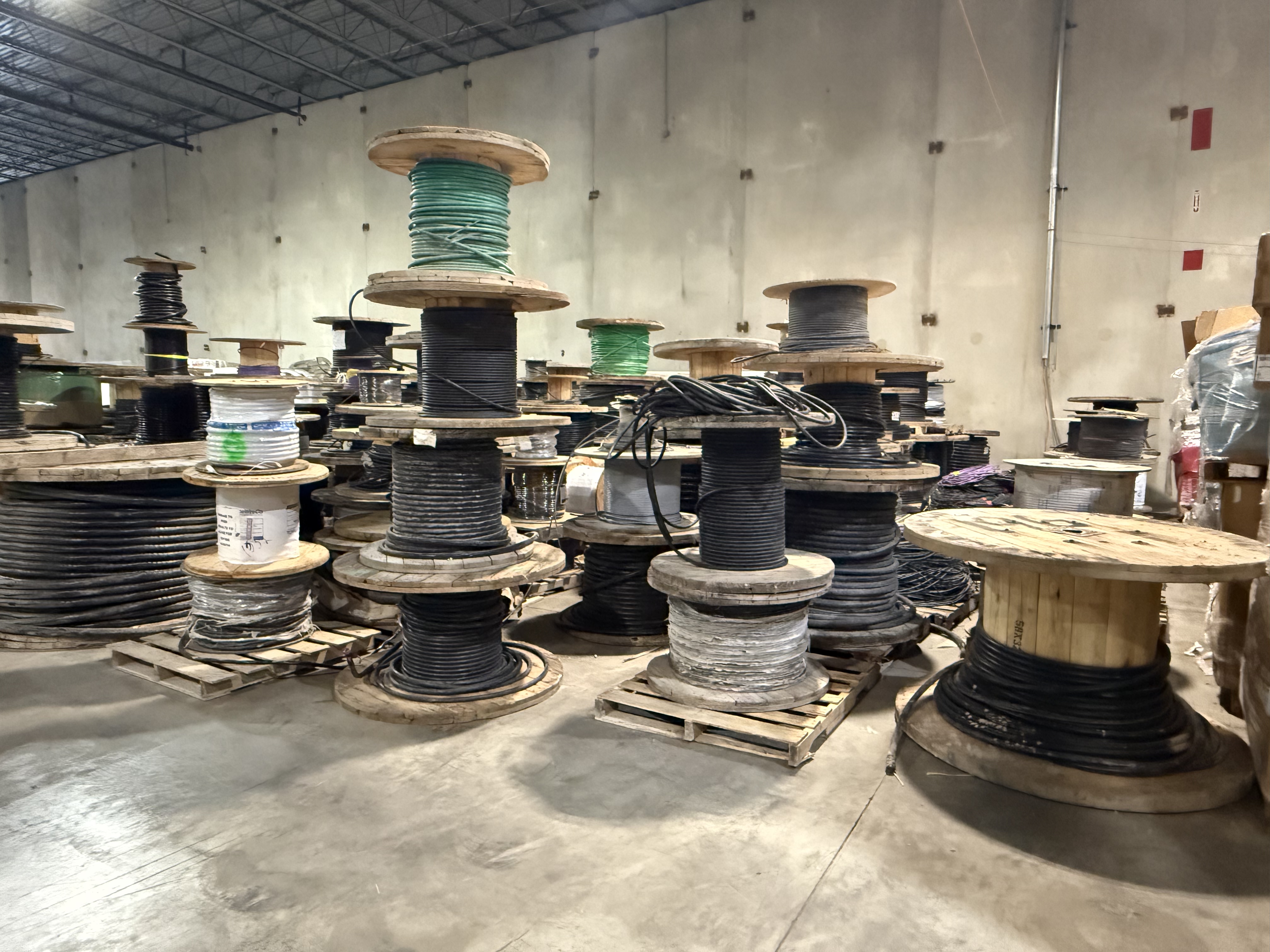
Commercial sellers should identify the inventory before contacting multiple outlets. The same pile can contain material that belongs in different channels: sealed THHN reels, a documented medium-voltage reel, damaged short cuts, and mixed loose copper should not be described as one undifferentiated weight. Buyer fit improves when each category receives the evidence relevant to it.
COMMERCIAL SELLER FIT
BUYER TYPES AND THEIR PRIMARY QUESTIONS
Metal recyclers ask about conductor metal, insulation, contamination, weight, and grading
Distributor returns depend on the original sale, unopened condition, and return policy
Specialized outlets may require utility records, test reports, matching reels, or exact construction
DIRECT PURCHASE QUALIFICATION
COMMERCIAL QUALIFICATION STARTS WITH CONTROL AND EVIDENCE
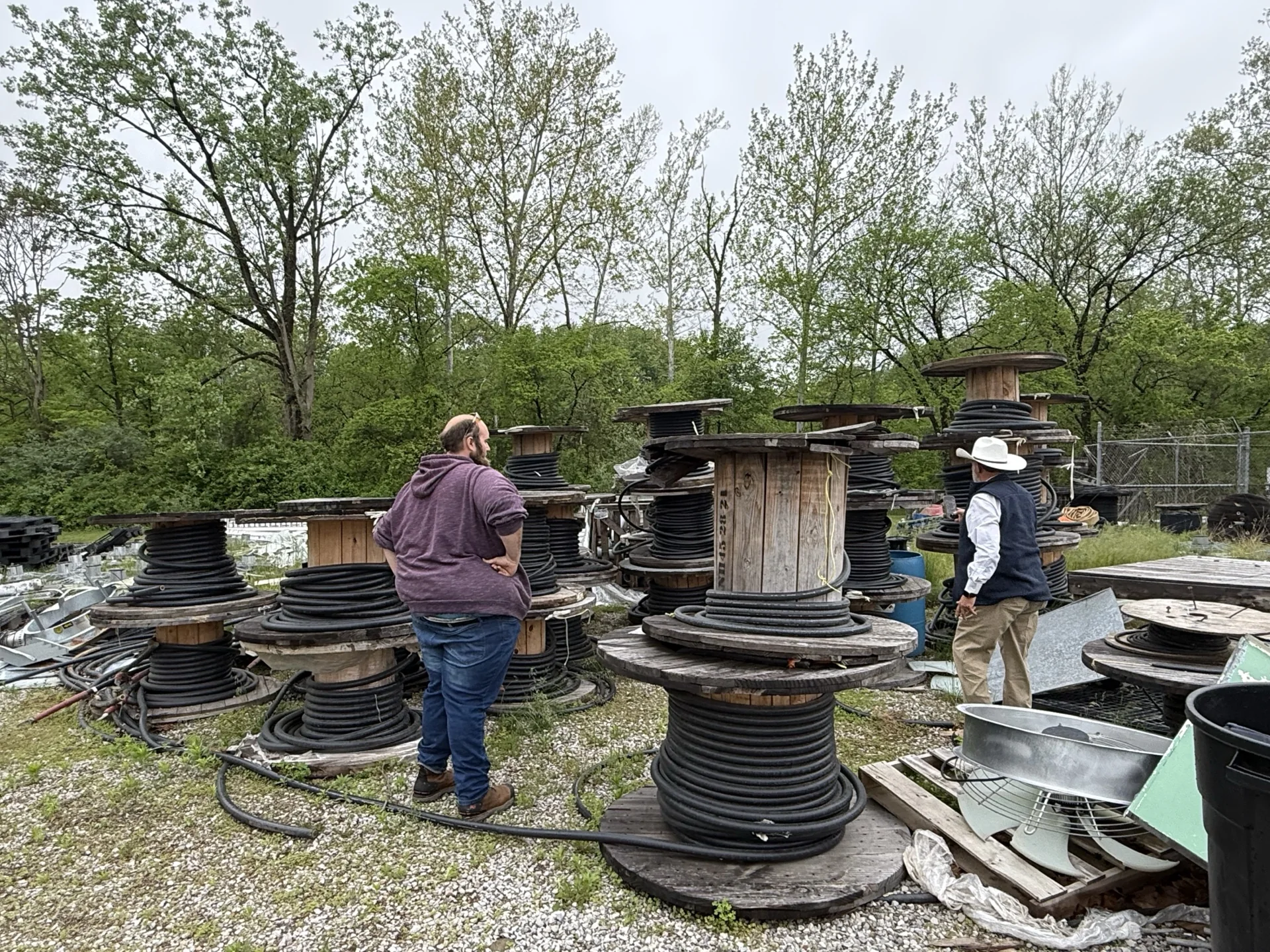
A seller should be able to explain who owns the material, why it is surplus, where it is stored, whether it was installed, and which records or markings establish identity. Quantity must be described by reel, footage, pallet, or organized lot rather than a vague statement. Pickup access and loading capability are part of qualification because heavy reels cannot be evaluated independently of movement.
A legitimate buyer may decline household leftovers, disputed material, unidentified mixed pieces, unsafe access, badly damaged cable, or a lot too small for its logistics. A decline does not prove the wire has no recovery value; it means the lot does not fit that buyer's purchasing model. Sellers should avoid any party that asks them to hide origin, remove identifying evidence, or misstate ownership.
PHOTOS, RECORDS & ACCESS
INFORMATION A COMMERCIAL BUYER EXPECTS
A useful submission connects each statement to current photographs, readable markings, seller-controlled records, or specific site facts. Keep unlike cable families and conditions separate.
Do not alter, strip, cut, move, or combine usable inventory solely to simplify a quote request. Preserve the evidence until a buyer explains what additional detail is needed.
DECISION & PICKUP PREPARATION
WHY ONE BUYER MAY ACCEPT WHAT ANOTHER DECLINES
Buyer demand changes by cable family, construction, usable length, quantity, and destination. A buyer equipped to review building wire may not evaluate utility conductor; a utility-material buyer may need release records that are irrelevant to ordinary contractor overrun. Matching the lot to the buyer reduces incomplete quotes and avoidable transport discussions.
Industrial Wire Buyers is a buyer-focused commercial review path, not a directory of sellers or a promise to purchase. The buying desk considers electrical and industrial wire inventory from authorized commercial sellers nationwide and requests the evidence needed to decide whether a direct transaction should proceed.
A request starts a review. It does not guarantee a purchase, price, removal service, freight treatment, payment method, or pickup time. Any approved transaction depends on written terms for the actual material and location.
SELLER QUESTIONS
QUESTIONS ABOUT WHO BUYS ELECTRICAL WIRE & CABLE
These answers define the page's buyer-review role without creating a price, purchase, pickup, local-presence, or performance promise.
Who buys full and partial reels of electrical wire?
Direct commercial wire buyers may review full and partial reels when labels, footage, construction, condition, quantity, and pickup details are available. Fit depends on the actual material and logistics.
Do electrical contractors and facilities need the same documentation?
Both should establish ownership and inventory identity, but supporting records can differ. Contractors may have project takeoffs or purchase records; facilities may have maintenance, removal, or decommissioning records.
Why would a commercial wire buyer decline a large lot?
Size alone does not establish fit. Missing specifications, short unusable lengths, damage, contamination, access problems, disputed ownership, weak demand, or disproportionate transport requirements can prevent a responsible offer.