A direct wire buyer for labeled reels, long cuts, and documented commercial lots
SELLER DECISION & PREPARATION GUIDE
WHERE TO SELL ELECTRICAL WIRE & CABLE
Compare a direct commercial wire-buyer review with recycling and other disposition paths, then prepare the inventory before choosing where to sell.
SELL SURPLUS WIRE
SHOW US THE MATERIAL
Send photos, specifications, quantity, condition, pickup location, access, and timing. Approved purchases include payment terms confirmed before pickup and agreed freight responsibilities paid by the buyer.
CALL OR TEXT A WIRE BUYER954-740-1983
CHOOSE THE PATH THAT FITS THE LOT
COMPARE IDENTIFICATION, QUANTITY & LOGISTICS BEFORE YOU SELL
The right outlet depends on what the wire is, how much remains, whether useful lengths and markings survive, and what it will take to move the material. A direct buyer is most relevant when a commercial seller can document specifications, condition, quantity, and pickup access. A recycler may be more practical for short mixed pieces or material whose only measurable value is recoverable metal.
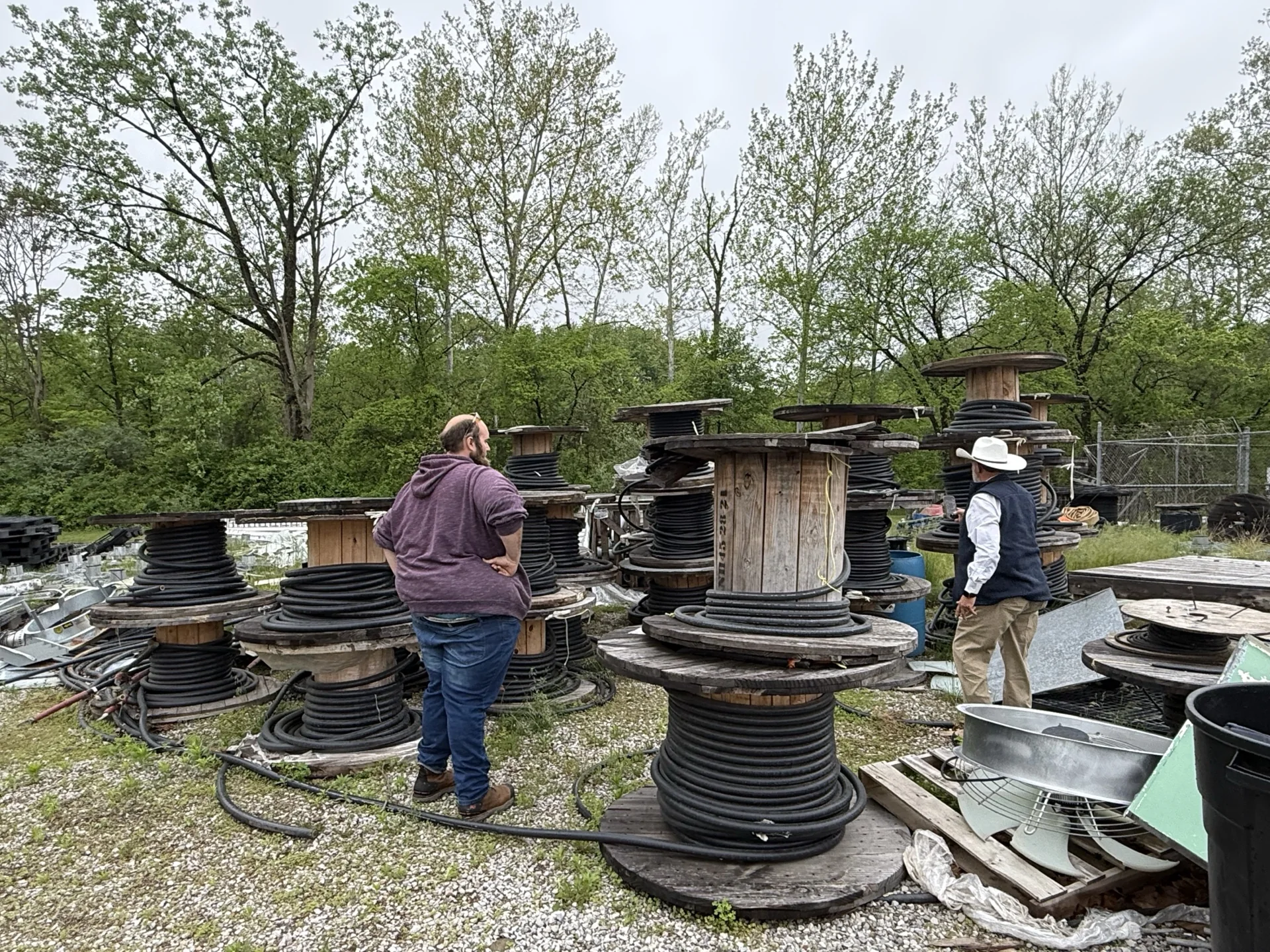
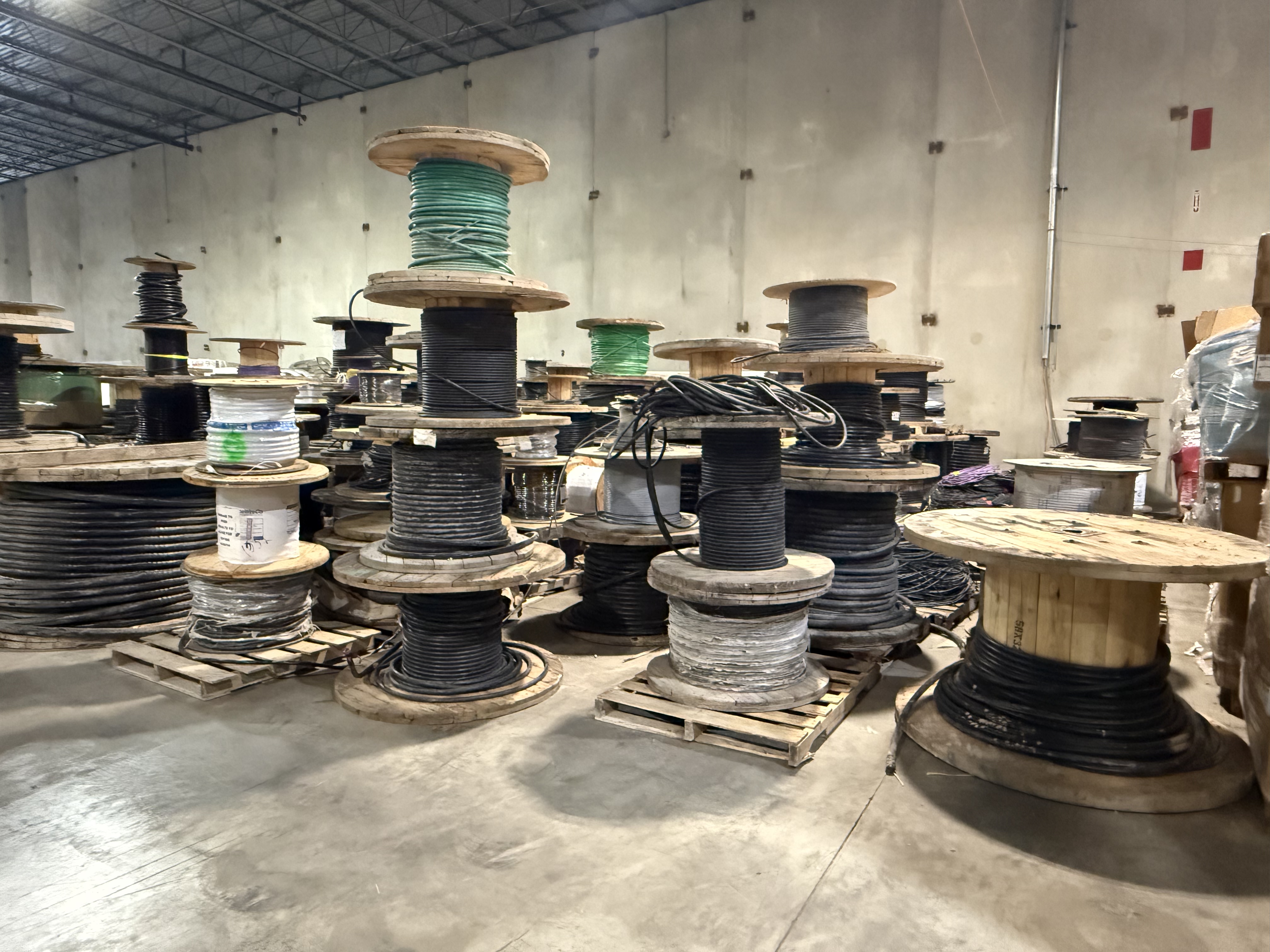
Do not decide from a copper-price headline alone. Separate cable families, preserve reel tags, photograph the whole lot, and list usable footage before requesting comparisons. A disciplined inventory gives each outlet the same facts and helps the seller compare the scope of an offer, transport responsibilities, timing, and any exclusions rather than comparing unlike assumptions.
COMMERCIAL SELLER FIT
FOUR DISPOSITION PATHS TO CONSIDER
A metal recycler for short, stripped, damaged, or unidentified recovery material
A distributor return when original purchase terms and unopened stock permit it
An internal transfer when another approved project can use the exact specification
DIRECT PURCHASE QUALIFICATION
PREPARE ONE FACT PATTERN FOR EVERY COMPARISON
Create a line-item inventory with cable family, conductor, size, voltage rating, footage, reel count, condition, and photographs. Note whether material is unused, opened, partially installed, removed from service, stored outside, or mixed. State who owns it, where it is located, how it can be loaded, and when the area must be cleared.
Avoid cutting cable, removing jackets, combining reels, or discarding printed labels before a buyer has reviewed the lot. An attractive theoretical unit price can be offset by exclusions, rejected pieces, unassigned loading, transport costs, or a requirement the seller cannot meet. Compare written scope and responsibilities, not only one number.
PHOTOS, RECORDS & ACCESS
DECISION-PREPARATION CHECKLIST
A useful submission connects each statement to current photographs, readable markings, seller-controlled records, or specific site facts. Keep unlike cable families and conditions separate.
Do not alter, strip, cut, move, or combine usable inventory solely to simplify a quote request. Preserve the evidence until a buyer explains what additional detail is needed.
DECISION & PICKUP PREPARATION
WHEN A DIRECT BUYER REVIEW IS WORTH REQUESTING
A direct review is useful when the lot has enough identity and quantity to evaluate beyond commodity recovery. Full reels, valuable partial reels, documented utility conductor, project overruns, and organized warehouse stock can justify that additional review. The buyer may still decline after considering demand, damage, location, or transportation.
If the material is primarily short mixed pieces, badly contaminated, inaccessible, or missing the evidence required to identify it, ask a reputable local recycler how it will be graded. The objective is not to force every lot into one channel; it is to preserve information long enough to choose the most appropriate channel for the actual inventory.
A request starts a review. It does not guarantee a purchase, price, removal service, freight treatment, payment method, or pickup time. Any approved transaction depends on written terms for the actual material and location.
SELLER QUESTIONS
QUESTIONS ABOUT WHERE TO SELL ELECTRICAL WIRE & CABLE
These answers define the page's buyer-review role without creating a price, purchase, pickup, local-presence, or performance promise.
Should I call a wire buyer or a scrap recycler first?
Start with a direct buyer when the lot has readable specifications, useful lengths, commercial quantity, and a clear history. Start with a recycler when identity and reuse cannot be evaluated or the material consists mainly of short recovery pieces.
What should I compare besides the offer amount?
Compare which items are included, how rejected material is handled, who pays which agreed costs, loading responsibilities, payment timing, pickup conditions, and whether the offer depends on later verification.
Can I get a reliable comparison from one photo?
Usually not. A wide lot photo establishes scale, while label, jacket, conductor, reel, and condition photos establish identity. A line-item inventory and pickup details make the comparison more useful.