Exact cable construction, conductor metal, size, voltage class, and printed specification
VALUATION FACTORS WITHOUT PRICE PROMISES
WHAT IS MY SURPLUS WIRE WORTH?
Understand how cable identity, conductor, usable length, condition, documentation, demand, quantity, location, and handling can affect a direct buyer review.
SELL SURPLUS WIRE
SHOW US THE MATERIAL
Send photos, specifications, quantity, condition, pickup location, access, and timing. Approved purchases include payment terms confirmed before pickup and agreed freight responsibilities paid by the buyer.
CALL OR TEXT A WIRE BUYER954-740-1983
NO UNIVERSAL PRICE TABLE FITS EVERY LOT
VALUE BEGINS WITH WHAT THE INVENTORY ACTUALLY IS
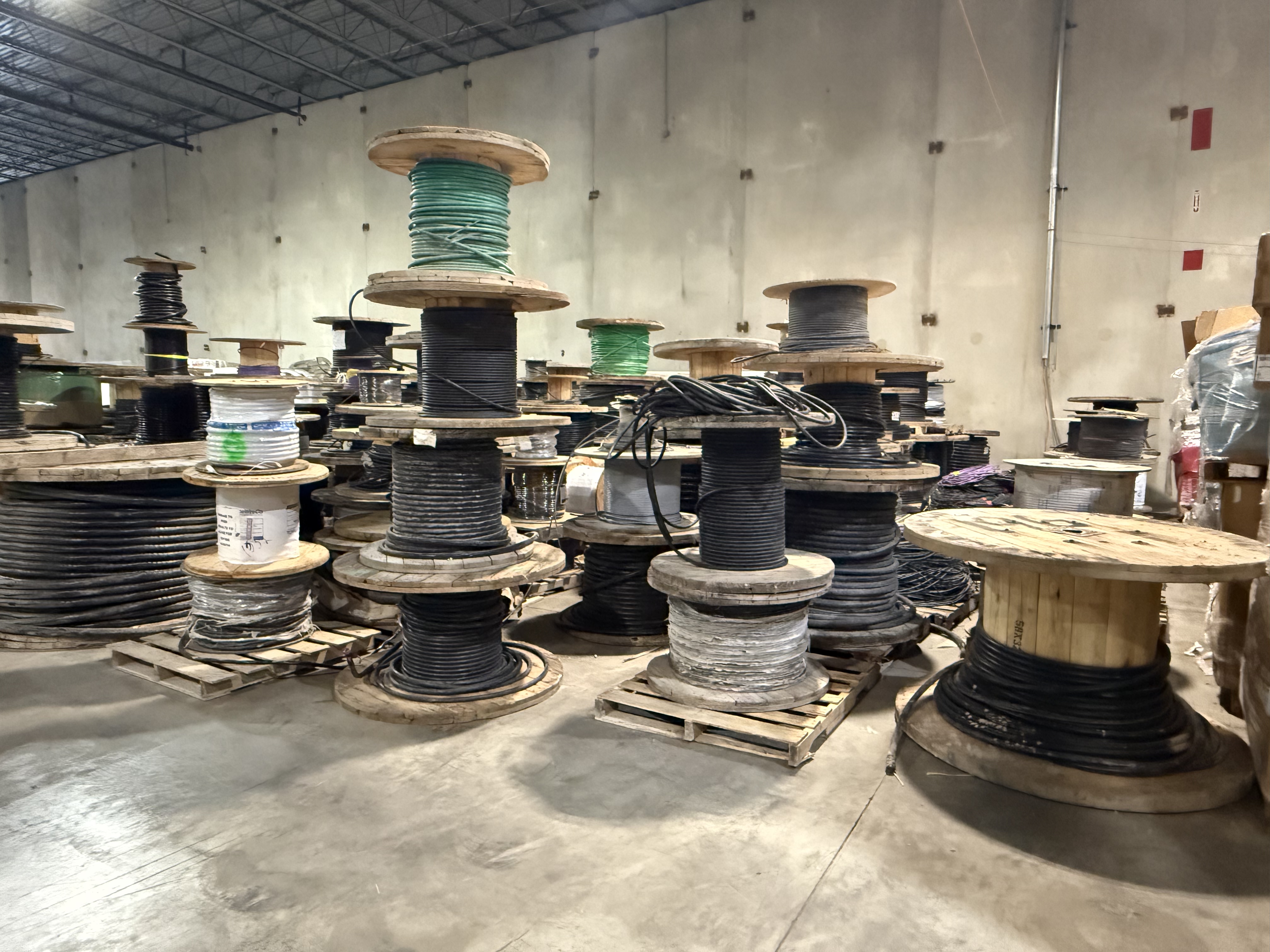
Surplus wire does not have one reliable price per foot, reel, or pound across every cable family. Copper or aluminum content matters, but a direct buyer also evaluates construction, voltage class, insulation, usable length, reel or package condition, documentation, quantity, current demand, location, and the cost and risk of moving the lot. Missing information can change the review as much as the conductor itself.
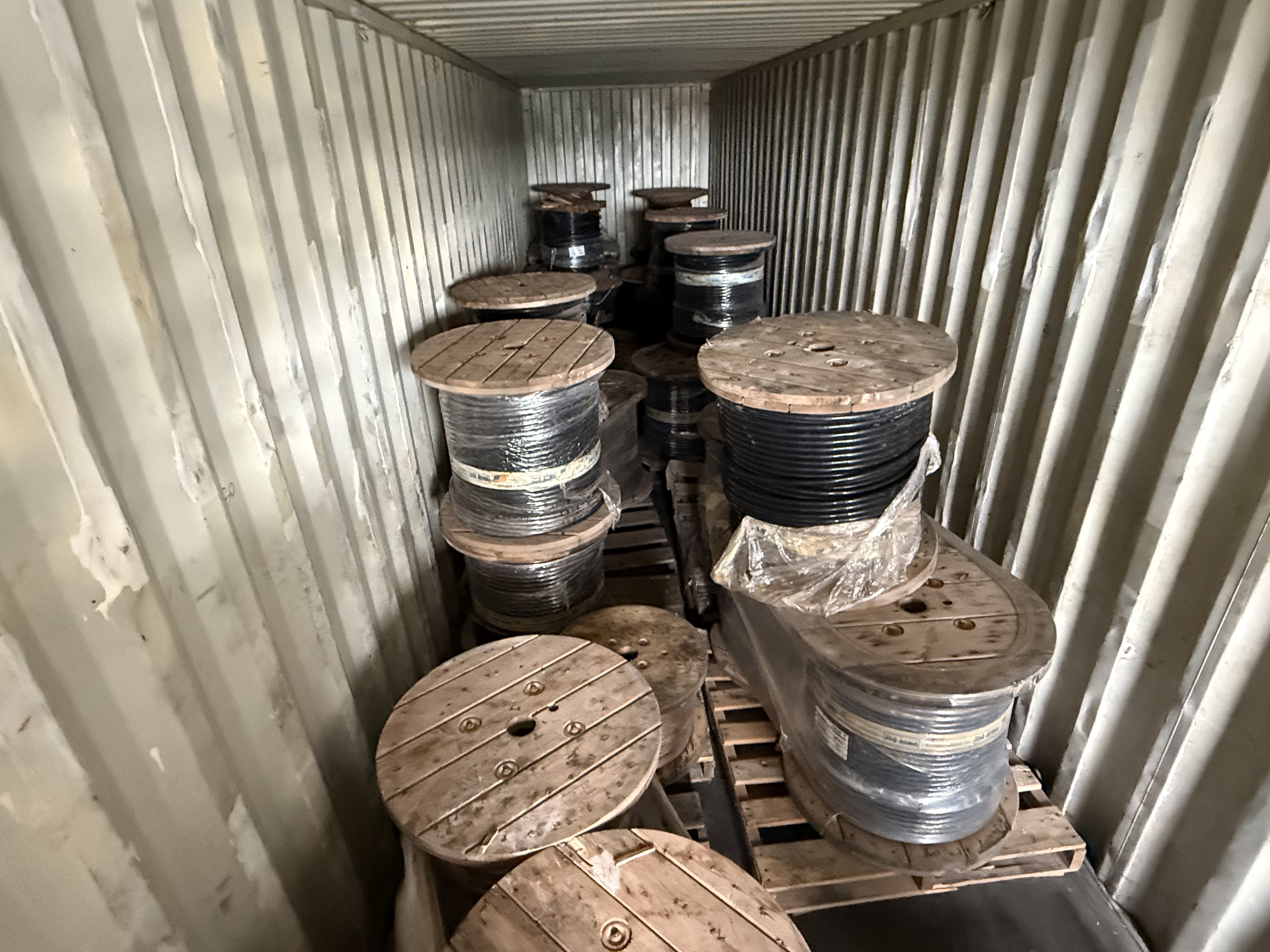
A valuation should distinguish unused labeled inventory from removed cable, full reels from partial reels, long cuts from short pieces, tested material from unverified material, and indoor storage from weather exposure. Sellers improve the review by documenting those distinctions rather than selecting the most favorable category for the whole lot.
COMMERCIAL SELLER FIT
FACTORS THAT CAN CHANGE A REVIEW
Verified usable footage, number of matching reels, and whether cuts remain project-useful
Jacket, shielding, conductor, reel, packaging, storage, and removal condition
Demand, destination, pickup access, loading responsibility, transport, and timing
DIRECT PURCHASE QUALIFICATION
DOCUMENTATION REDUCES UNCERTAINTY; IT DOES NOT SET A PRICE
Reel tags, purchase records, test reports when relevant, project schedules, footage marks, and current photographs help a buyer identify what is being offered. Evidence can support a more specific review because fewer assumptions are required. The buyer still has to evaluate market fit and transaction costs at the time of review.
Online price claims, old invoices, replacement cost, commodity quotes, and another lot's result do not establish what the present inventory is worth. A price table would obscure important differences among cable families and conditions. No value is guaranteed before the exact lot, seller authority, pickup facts, and written terms are reviewed.
PHOTOS, RECORDS & ACCESS
VALUATION EVIDENCE TO ORGANIZE
A useful submission connects each statement to current photographs, readable markings, seller-controlled records, or specific site facts. Keep unlike cable families and conditions separate.
Do not alter, strip, cut, move, or combine usable inventory solely to simplify a quote request. Preserve the evidence until a buyer explains what additional detail is needed.
DECISION & PICKUP PREPARATION
COMPARE THE COMPLETE TRANSACTION, NOT A HEADLINE NUMBER
A direct offer may separate reusable cable from recovery-only material or exclude items that cannot be identified. Ask which reels and quantities are included, how verification works, which responsibilities belong to each party, and what conditions must be satisfied. This makes it possible to compare a direct sale with recycling or another disposition path on consistent terms.
Preserve usable lengths and labels while seeking a review. Stripping, cutting, mixing, or rehandling cable can lower the information value of the lot and introduce safety or labor costs. If a direct buyer determines that reuse is not practical, the organized inventory still helps a recycler grade the material more accurately.
A request starts a review. It does not guarantee a purchase, price, removal service, freight treatment, payment method, or pickup time. Any approved transaction depends on written terms for the actual material and location.
SELLER QUESTIONS
QUESTIONS ABOUT WHAT IS MY SURPLUS WIRE WORTH
These answers define the page's buyer-review role without creating a price, purchase, pickup, local-presence, or performance promise.
Why is there no price table for surplus electrical wire?
Cable family, conductor, size, voltage, footage, condition, documentation, demand, location, and logistics vary too much for a universal table to represent a responsible offer.
Does copper content determine the entire value?
No. Copper or aluminum content is one factor. A direct review can also consider usable specification, length, packaging, documentation, condition, demand, and transaction costs.
What can lower a surplus wire valuation?
Unknown identity, short mixed cuts, damaged jackets, corrosion, water exposure, missing footage, weak demand, difficult access, unsafe loading, and disproportionate transport requirements can all limit an offer.